

Can Chiropractic Care Help with Neurological Conditions?
Do you need help managing migraines or Parkinson’s disease, or wish your recovery from a concussion or stroke was a little easier? Chiropractic care can help with the symptoms caused by these and other neurological conditions and disorders.
Understanding the Advantages of Chiropractic Treatment
Chiropractic care at Snyder Family Chiropractic offers several benefits beyond enhancing joint mobility and alleviating joint and soft tissue pain. Let’s delve into the positive effects it can have on your nervous system:
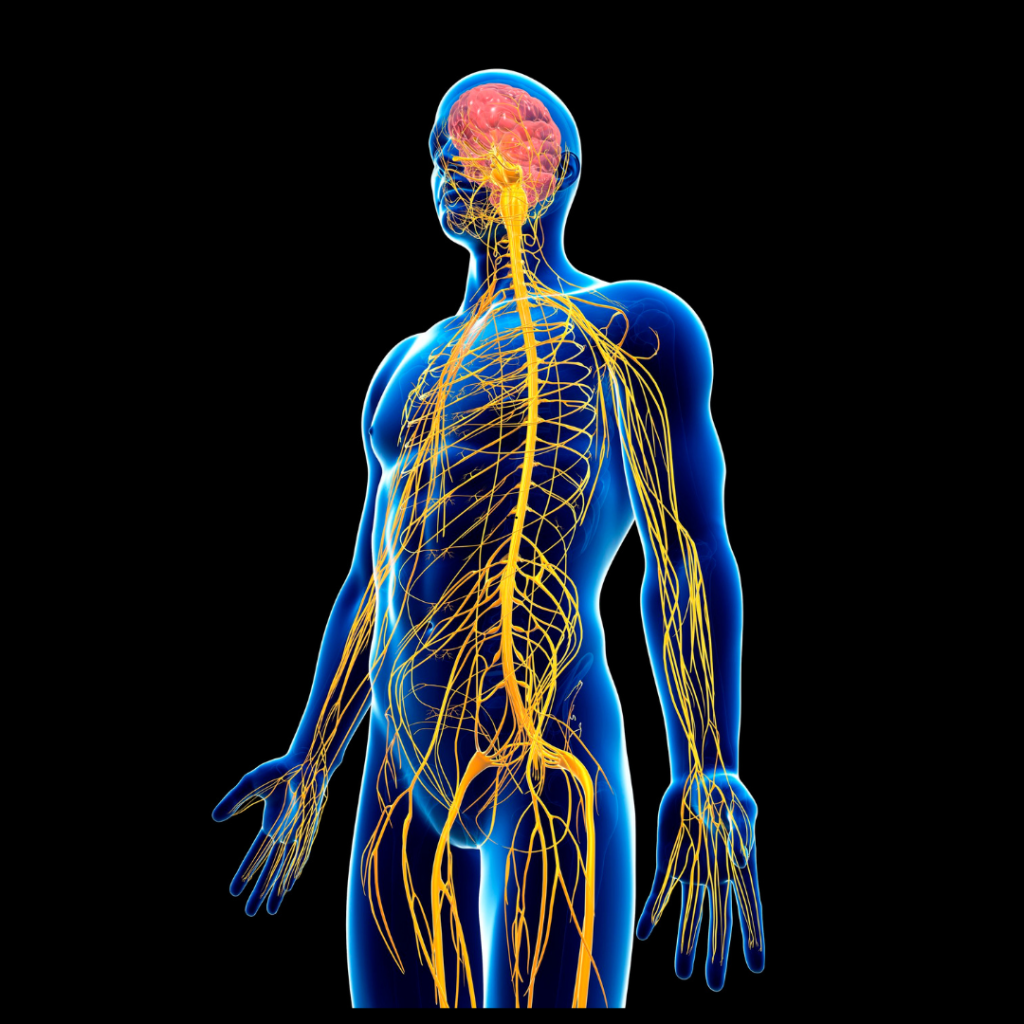
- Central and Peripheral Nervous System: The nervous system comprises two main parts—the central nervous system (which includes the brain and spinal cord) and the peripheral nervous system (consisting of a network of nerves). These nerves transmit signals throughout your body, allowing you to move, breathe, perceive sensations, and maintain normal organ function.
- Optimizing Nerve Function: Chiropractic care focuses on optimizing nerve function. When nerve signals encounter obstacles or disruptions due to neurological disorders, conditions, or injuries, symptoms like tingling, numbness, muscle weakness, and even paralysis may arise.
- Specific Neurological Issues Addressed by Chiropractic Care:Concussions: Following a concussion, symptoms such as dizziness, headaches, light sensitivity, and neck pain may emerge. Chiropractic spinal manipulation can realign vertebrae, reduce nerve pressure, and enhance blood circulation, aiding faster healing.
- Parkinson’s Disease: A case study revealed that nine months of chiropractic treatment improved hand deformity, joint motion, pain, and postural stability in a Parkinson’s disease patient.
- Migraines: Chiropractic treatments, including spinal adjustments and soft tissue therapies, can alleviate migraine pain by reducing nerve pressure and inflammation.
- Cerebral Palsy: Spinal adjustments help decrease spasticity (rigid muscles) in patients with cerebral palsy.
- Neuropathy: Chiropractic adjustments relieve nerve pressure caused by neuropathy, reducing pain, numbness, and weakness.
- Bell’s Palsy: Chiropractic care can aid in treating Bell’s palsy, leading to improved facial movement.
Remember that chiropractic care aims to optimize nerve function, promoting overall well-being.
If you are in Phoenixville, Collegeville, or anywhere near Upper Providence Township and have any specific concerns and wish to consult with Dr. Snyder, please TEXT or call 610-935-5900 😊
Sources:
Journal of Chiropractic Medicine: Chiropractic Management of Bell Palsy with Low Level Laser and Manipulation: A Case Report, 12/2013
https://www.ncbi.nlm.nih.gov/pmc/articles/PMC3838725/
Journal of Medicine and Life: Chiropractic Care of Parkinson’s Disease and Deformity, 5/2022
https://pubmed.ncbi.nlm.nih.gov/35815091/
NCBI: Journal of Chiropractic Medicine: Changes in Muscle Spasticity in Patients with Cerebral Palsy after Spinal Manipulation: Case Series, 12/2016
https://pubmed.ncbi.nlm.nih.gov/27857638/
Canadian Chiropractic Association: 6 Ways Chiropractic Care Can Help Manage Headaches, 6/1/2022
https://chiropractic.ca/6-ways-chiropractic-care-can-help-manage-headaches/